
As parents, we mark our calendars for every pediatric check-up, vaccination, and school event. We watch our children grow and change right before our eyes, often wondering if everything is developing as it should. One milestone that often catches parents by surprise is the recommendation for an early orthodontic evaluation.
You might look at your seven-year-old’s smile, seeing a mix of baby teeth and gaps, and think, “Surely it’s too early for braces?”
While actual treatment might be years away, the evaluation itself is crucial. The American Association of Orthodontists (AAO) recommends that children get their first check-up with an orthodontist no later than age 7. This isn’t about rushing into treatment; it’s about gathering information to make the best decisions for your child’s oral health future.
At A Winning Smile Orthodontics, we believe that timing is everything. Understanding the “why” behind these guidelines can save you time, money, and worry down the road.
Key Takeaways
- The Magic Number is 7: The AAO recommends an initial orthodontic evaluation by age 7 to spot developing issues early.
- Observation vs. Treatment: An early visit often results in a “monitoring” plan rather than immediate intervention.
- Growth Guidance: Early detection allows orthodontists to guide jaw growth and correct bite issues that are harder to fix later.
- Customized Care: Dr. Catherine Scheurer McDevitt tailors treatment plans, including clear aligners and traditional braces, to the specific needs of growing children in Worthington and Columbus.
Understanding the AAO Guidelines for Children
The American Association of Orthodontists is the leading body for orthodontic education and practice in the United States. Their recommendation for an evaluation by age 7 is based on dental development, not just age.
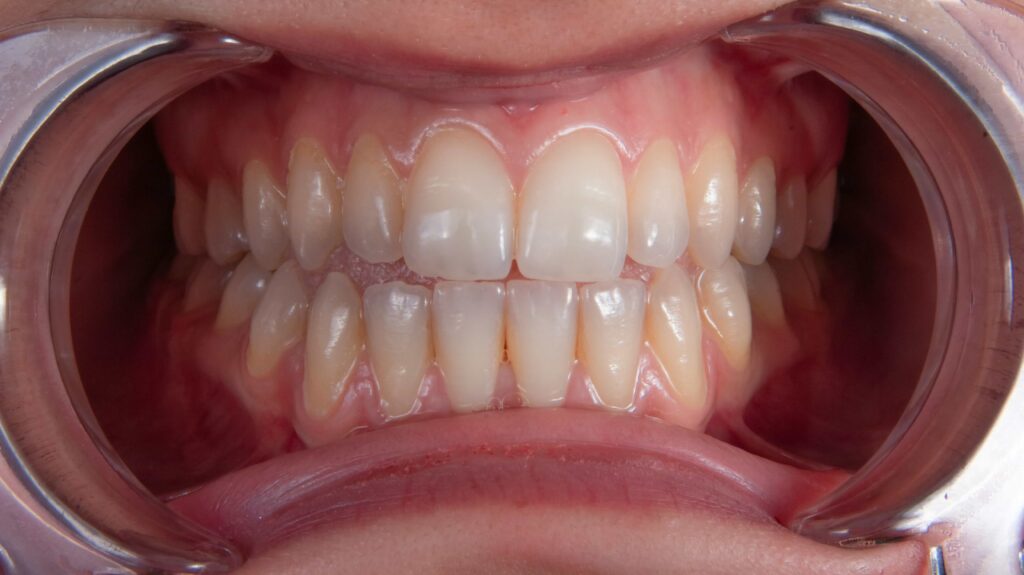
By the time a child turns seven, they typically have enough permanent teeth for an orthodontist to evaluate the developing bite and the relationship between the jaws. At this stage, the first adult molars have usually erupted, establishing the back bite. This allows Dr. Catherine to evaluate front-to-back and side-to-side tooth relationships.
According to the AAO, early evaluation provides both timely detection of problems and greater opportunity for more effective treatment. Prudent intervention guides growth and development, preventing serious problems later.
It is important to note that an early screening doesn’t mean early braces. In fact, in many cases, the recommendation is simply to let the child grow while the orthodontist monitors their progress periodically. This “wait and watch” approach ensures that if treatment is needed, it begins at the optimal time to achieve the best results with the least amount of stress on the child.
Why Early Evaluation Matters
Waiting until all permanent teeth have erupted—usually around age 12 or 13—can sometimes complicate treatment. Some orthodontic problems are much easier to correct when a child’s jaw is still growing.
Identifying Potential Issues Early
Early evaluation allows us to spot subtle problems that parents might miss. These can include crossbites, severe crowding, or the premature loss of baby teeth.
Catching these issues early can prevent them from causing long-term damage to the teeth and gums.
Guiding Jaw Growth
One of the most significant benefits of early intervention (often called Phase I treatment) is the ability to guide jaw growth. If the upper or lower jaw is too narrow or not growing at the same rate, appliances can be used to direct growth.
This can create enough space for permanent teeth to erupt correctly, potentially reducing the need for tooth extractions later in life.
Correcting Harmful Habits
Habits like thumb sucking, tongue thrusting, or mouth breathing can significantly impact dental development.
An orthodontist can identify these habits and offer solutions to correct them before they permanently alter the shape of the jaw or the position of the teeth.
Trauma Prevention
Protruding front teeth are more susceptible to trauma, especially for active children involved in sports or play.
Early treatment can move these teeth back into a safer position, protecting that winning smile.
How A Winning Smile Orthodontics Applies These Guidelines
At A Winning Smile Orthodontics, Dr. Catherine Scheurer McDevitt and her team are committed to following the highest standards of care as outlined by the AAO. We understand that every child is unique, and we take a personalized approach to early evaluation.
When you bring your child to our Worthington office for an initial consultation, we focus on a comprehensive assessment. Dr. Catherine will examine your child’s teeth, jaw, and facial structure to determine if there are any immediate concerns.
We prioritize transparency and communication. If we see an issue that requires attention, we will explain the diagnosis clearly and discuss all available treatment options. If no immediate treatment is necessary, we will place your child in our observation program. This means we will see them periodically to monitor their growth and development, ensuring that we catch the perfect window for treatment if it becomes necessary in the future.
Our goal is not just to straighten teeth, but to ensure overall oral health and function. We look at the big picture, considering how your child’s smile will look and function for the rest of their life.
Modern Solutions: Clear Aligners for Kids
Orthodontics has come a long way since the days of bulky metal headgear. Today, we have modern solutions that are comfortable, effective, and aesthetically pleasing. One such option is clear aligners.
While traditionally associated with adults, clear aligners are increasingly becoming a viable option for children (often referred to as Invisalign First). These aligners are designed specifically for growing smiles. They can be used to expand the dental arch and make room for incoming permanent teeth.
Benefits of Clear Aligners for Children:
- Hygiene: Because they are removable, it is easier for children to brush and floss effectively, reducing the risk of cavities during treatment.
- Comfort: Smooth plastic aligners are less likely to irritate the cheeks and gums compared to metal brackets and wires.
- Diet: There are no food restrictions. Kids can continue to eat crunchy fruits, vegetables, and popcorn without worrying about breaking a bracket.
Dr. Catherine is experienced in using clear aligners to treat a variety of orthodontic issues in children. During your consultation, she can determine if this is the right option for your child’s specific needs.
Patient Success: A Confidence Boost
We often see parents who are worried that early treatment will be a burden on their child. However, the results speak for themselves.
Take the case of a young patient we’ll call “Sam.” Sam came to us at age 8 with significant crowding and a crossbite that was causing his jaw to shift to one side. He was self-conscious about his smile and had trouble chewing properly.
After a thorough evaluation, Dr. Catherine recommended a short phase of treatment using an expander and partial braces. Within 12 months, the crossbite was corrected, and space was created for his permanent teeth. Not only did his smile improve, but his confidence soared. Sam’s parents reported that he was smiling more in photos and felt happier at school.
Stories like Sam’s illustrate the power of following AAO guidelines. By addressing the issue early, we prevented more complex surgery later and gave Sam a foundation for a lifetime of healthy smiles.
Frequently Asked Questions
Q: Does early treatment mean my child won’t need braces later?
A: Not necessarily. Early treatment (Phase I) corrects specific structural issues to ensure the jaw develops correctly. Most children will still require a second phase of treatment (Phase II) once all their permanent teeth have erupted to fine-tune alignment. However, Phase II is often shorter and less complex thanks to the work done in Phase I.
Q: My child’s teeth look straight. Do we still need to come in at age 7?
A: Yes. Many orthodontic issues, particularly those involving the jaw and bite, are not visible to the untrained eye. Dr. Catherine can spot problems developing beneath the surface using X-rays and a clinical exam.
Q: Is a referral from a dentist required?
A: No, you do not need a referral from a dentist to schedule an appointment with an orthodontist. You can call A Winning Smile Orthodontics directly to set up your child’s complimentary consultation.
Securing Your Child’s Smile Future
Navigating your child’s health needs can feel overwhelming, but orthodontic care doesn’t have to be. The American Association of Orthodontists established the “Age 7” guideline to give parents peace of mind and children the best start possible.
By proactively scheduling an evaluation, you aren’t committing to immediate braces; you are committing to a roadmap for your child’s future oral health. Whether the outcome is a “high five and see you in six months” or a plan to correct a crossbite, you gain the power of knowledge.
Dr. Catherine Scheurer McDevitt and the team at A Winning Smile Orthodontics are here to guide you through this process with expertise and compassion. We are proud to serve families in Worthington, Columbus, Dublin, Lewis Center, and Westerville.
Ready to see if your child is on the right track? Contact us today to schedule your complimentary consultation.
Dr. Catherine Scheurer McDevitt, DMD
Dr. Catherine Scheurer McDevitt is a board-eligible orthodontic specialist with over 20 years of experience serving families in Worthington and Columbus, Ohio. She earned her Doctor of Dental Medicine from the University of Pennsylvania and completed her orthodontic residency at The Ohio State University. Dedicated to clinical excellence, she is an active member of the American Association of Orthodontists® (AAO) and the American Dental Association®. Connect with Dr. McDevitt on LinkedIn to learn more about her professional background.