Navigating the world of orthodontic treatment can often feel like standing at a crossroads, especially when faced with the choice between Invisalign and traditional braces. It’s a decision that not only impacts your smile but your daily life as well. While both options aim to achieve the same goal—a straighter, healthier smile—they do so through markedly different paths.
Invisalign, with its clear, removable aligners, offers a stealth mode to teeth straightening, appealing to those who prefer a less noticeable treatment. On the other hand, traditional braces, known for their efficiency in tackling complex dental issues, have evolved beyond the chunky metal brackets to more aesthetic and comfortable options.
This article dives into the pros and cons of Invisalign and traditional braces, aiming to shed light on which option might best suit your lifestyle, budget, and dental needs. While the decision is ultimately personal, understanding the nuances of each treatment can make choosing a bit easier. So, whether you’re a teenager apprehensive about adding metal to your smile or an adult looking for a discrete correction, let’s explore what Invisalign and braces have to offer.
Understanding Invisalign
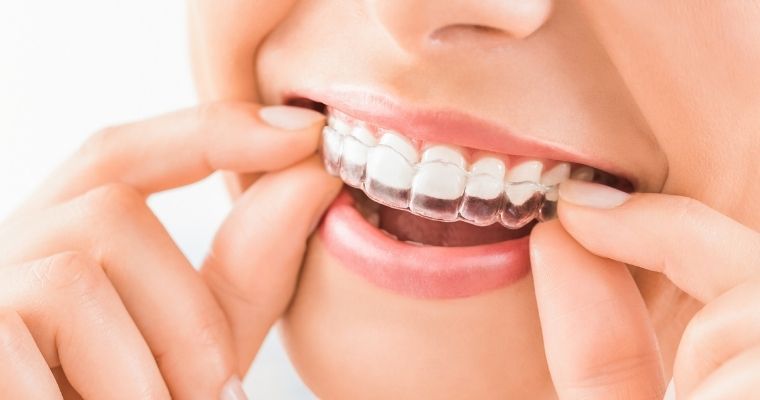
Invisalign has revolutionized the orthodontic world with its clear, removable aligners that promise a less noticeable path to a straighter smile. Ideal for those who value aesthetics and convenience, Invisalign aligners are custom-made to fit snugly over your teeth, gently moving them into their desired position over time.
One of the standout features of Invisalign is its near-invisibility, allowing patients to undergo treatment without the self-consciousness often associated with traditional braces. The aligners are also removable, offering an unparalleled level of convenience when it comes to eating, brushing, and flossing. This feature significantly reduces the risk of decay and gum disease during treatment, as you can maintain your oral hygiene routine without obstruction.
However, the success of Invisalign heavily relies on the wearer’s commitment. For effective results, the aligners must be worn for 22 to 24 hours a day, only being removed for meals and dental care. This discipline demands a level of responsibility that might not suit everyone, especially younger patients who may find it challenging to adhere to the strict wear schedule.
Invisalign is particularly well-suited for correcting mild to moderate dental misalignments, including crowded teeth, gaps, and certain bite issues. While it offers a discreet and convenient treatment option, it may not be the best solution for more complex orthodontic cases, which might require the more intensive intervention that traditional braces provide.
In summary, Invisalign stands out for its aesthetic appeal and the flexibility it offers, making it an attractive option for adults and teens alike who are seeking a less conspicuous method of improving their smile.
Understanding Traditional Braces
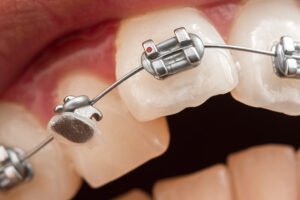
Traditional braces have been the cornerstone of orthodontic treatment for decades, offering a tried-and-true method for correcting a wide range of dental misalignments and bite issues. Comprising brackets attached to each tooth and connected by a wire, braces apply continuous pressure to teeth, gradually moving them into the desired position. Despite their reputation for being more noticeable than Invisalign, advances in orthodontic technology have led to more aesthetic and comfortable options, such as ceramic brackets that blend with the natural color of teeth and smaller, sleeker designs.
The strength of traditional braces lies in their capability to tackle complex orthodontic issues, from severe overcrowding and wide gaps to complicated bite problems. Their effectiveness in these areas makes them a go-to option for both orthodontists and patients seeking comprehensive corrections. Unlike Invisalign, braces are non-removable, eliminating the need for patient compliance regarding wear time and making them particularly suitable for younger patients or those who might struggle with the discipline required for removable aligners.
Maintenance with braces involves a bit more effort, as the brackets and wires can trap food and make brushing and flossing more challenging. However, this can be managed with the right tools, like interdental brushes and water flossers, and a commitment to thorough oral hygiene. Additionally, orthodontists now offer a variety of braces, including those with clear or tooth-colored brackets and even lingual braces that are placed behind the teeth, further broadening their appeal to patients concerned about aesthetics.
In essence, traditional braces continue to be a highly effective solution for a wide array of orthodontic needs, providing a reliable path to a healthier and straighter smile. Their adaptability and effectiveness in correcting complex dental issues ensure that they remain a staple in orthodontic treatment plans.
Pros and Cons of Invisalign
Pros
- Aesthetics: Invisalign’s clear aligners are nearly invisible, making them an attractive option for adults and teens who are self-conscious about the appearance of traditional braces. This discreet treatment allows for confidence throughout the orthodontic journey.
- Removability: The ability to remove the aligners offers unparalleled convenience when eating and cleaning. This feature not only makes maintaining oral hygiene easier but also means there are no dietary restrictions, allowing patients to enjoy their favorite foods without worry.
- Comfort: With no metal brackets or wires, Invisalign aligners are generally considered more comfortable than traditional braces. The custom-fit aligners are made from smooth plastic and are designed to reduce irritation to the gums and cheeks.
- Predictability: Invisalign treatment begins with a digital plan, allowing patients to see the projected final outcome before starting treatment. This planning also enables a more controlled and predictable movement of teeth.
Cons
- Discipline Required: Success with Invisalign heavily relies on the patient wearing the aligners for the recommended 22 to 24 hours a day. Lack of discipline in wearing the aligners can lead to extended treatment times or less effective results.
- Cost: Invisalign can be more expensive than traditional braces, with the cost varying depending on the complexity of the case and length of treatment. This higher price point may not be feasible for every budget.
- Limitations on Corrections: While effective for mild to moderate dental issues, Invisalign may not be suitable for more complex orthodontic problems that require the robust capabilities of traditional braces.
- Need for Adjustments: Some patients may need “attachments” or small composite bumps glued to certain teeth to help aligners grip and move the teeth more effectively. These attachments can slightly detract from the nearly invisible nature of the aligners.
Invisalign offers a less noticeable, more comfortable alternative to traditional braces, with the added benefits of removability and advanced planning. However, it requires a significant commitment to wearing the aligners as directed and may not be suitable for all orthodontic cases, especially those requiring complex adjustments.
Pros and Cons of Traditional Braces
Pros
- Versatility: Traditional braces excel in treating a wide array of orthodontic issues, from simple alignments to complex bite corrections. Their strength and durability make them suitable for almost any orthodontic need.
- Cost-Effectiveness: Generally, traditional braces are more affordable than Invisalign, making them an accessible option for many patients. The cost-effectiveness paired with their efficiency offers a valuable treatment path for those on a tight budget.
- Capability for Complex Cases: Braces have a proven track record of successfully correcting severe misalignments and bite issues that Invisalign may not be able to address. This makes them a go-to solution for patients with extensive orthodontic needs.
- No Requirement for Discipline in Wear: Since braces are non-removable, they’re working 24/7. This eliminates the need for patient compliance with wear time, ensuring the treatment progresses as planned without any self-discipline required for success.
Cons
- Aesthetic Concerns: The visibility of metal brackets and wires is often cited as a drawback, especially for adults and teens concerned about their appearance. While ceramic options exist, they can still be more noticeable than clear aligners.
- Discomfort: Traditional braces can cause irritation to the lips, cheeks, and gums, especially after adjustments. Although this discomfort usually subsides after a few days, it can be a concern for those with sensitive mouths.
- Dietary Restrictions: Hard, sticky, and chewy foods can damage braces, leading to dietary restrictions that some patients find challenging. This can impact the enjoyment of food and requires adjustments to eating habits.
- Maintenance and Hygiene: Braces can complicate oral hygiene routines, as food particles and plaque have more places to hide. Diligent brushing and flossing, along with regular dental cleanings, are essential to maintain oral health during treatment.
Traditional braces offer a powerful and cost-effective solution for a broad range of orthodontic issues, ensuring their continued popularity. However, the visibility, potential for discomfort, and the need for careful maintenance are important factors to consider. The choice between braces and Invisalign ultimately depends on individual preferences, lifestyle, and specific dental needs.
Conclusion
Deciding between Invisalign and traditional braces is a significant choice that can impact not just your dental health but also your daily life. Invisalign offers a discreet, flexible option for those concerned about the appearance of braces and looking for a less intrusive method of teeth straightening. Its clear aligners provide an aesthetically pleasing alternative, with the convenience of being removable for eating and cleaning. However, this system demands a high level of personal discipline for success and may not be suitable for all orthodontic cases, especially more complex adjustments.
On the other hand, traditional braces are unmatched in their ability to correct a wide range of dental issues, from simple misalignments to complex bite problems. Their cost-effectiveness and efficiency make them a compelling choice for many patients, despite concerns about aesthetics and comfort. Advances in orthodontic technology, including ceramic braces and improved designs, have made traditional braces more appealing to those wary of their appearance.
Ultimately, the decision between Invisalign and braces depends on individual needs, lifestyle preferences, and specific dental conditions. It’s essential to consult with an orthodontic specialist who can assess your unique situation and guide you toward the best treatment option. Remember, the goal is to achieve a healthy, beautiful smile that you’re confident about – whether that journey involves Invisalign or traditional braces, the path you choose should align with your personal needs and expectations for the best possible outcome.